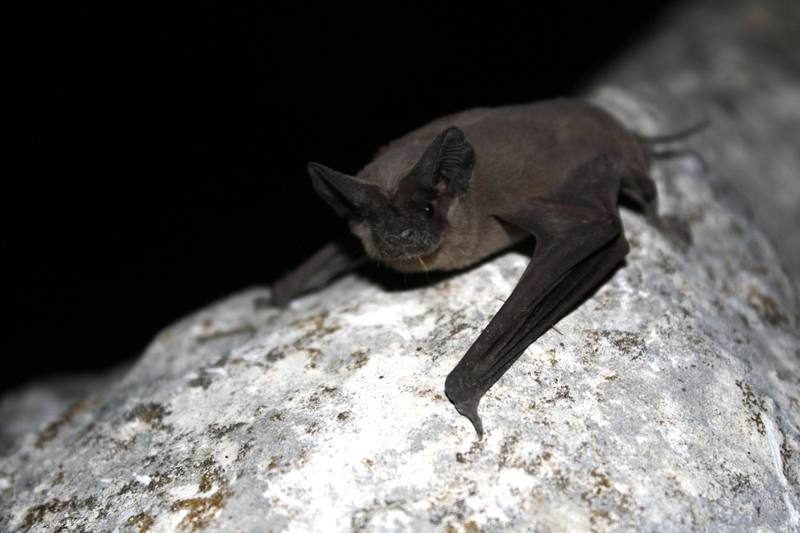
Brazilian (Mexican) free-tailed bat
Tadarida brasiliensis
Florida's most common and abundant bat. Forms colonies of hundreds to several thousand, almost always in man-made structures, and especially loves to roost under barrel-tile roofs.
Florida is home to thirteen native bat species. The most common ones found in attics and structures statewide are listed here, along with identification facts and behavior.
All native Florida bat species are protected under state law. Exclusion is prohibited during maternity season (April 16 to August 14). If you find a bat in your home, do not handle it with bare hands. Contain the room, close interior doors, and call a professional. Florida Wildlife Specialists handles every species safely under FWC-compliant exclusion practices.
Tadarida brasiliensis
Florida's most common and abundant bat. Forms colonies of hundreds to several thousand, almost always in man-made structures, and especially loves to roost under barrel-tile roofs.
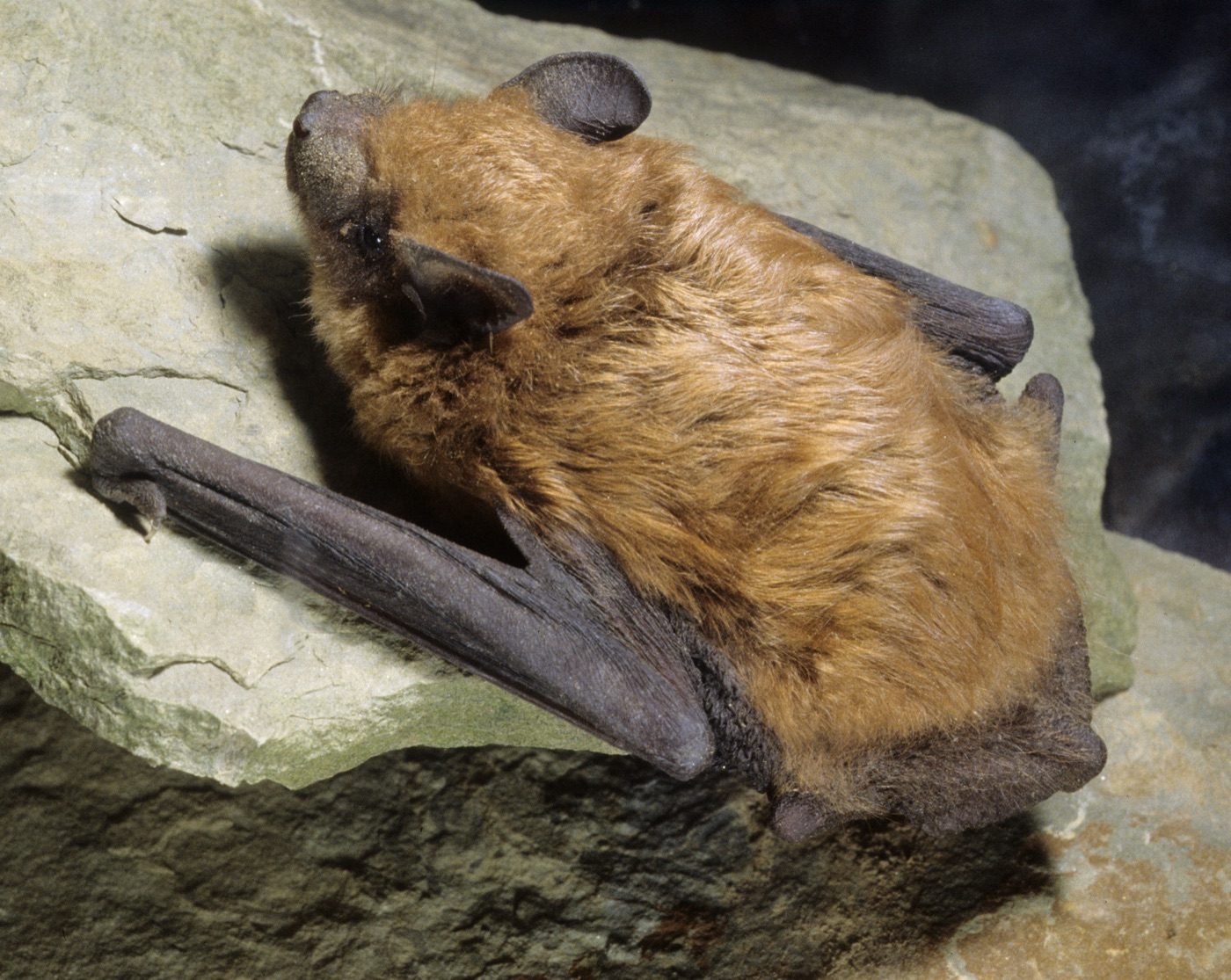
Eptesicus fuscus
A large, glossy-furred bat that roosts in colonies in tree cavities and buildings. Common across the Florida Panhandle and northern Florida; less common further south.
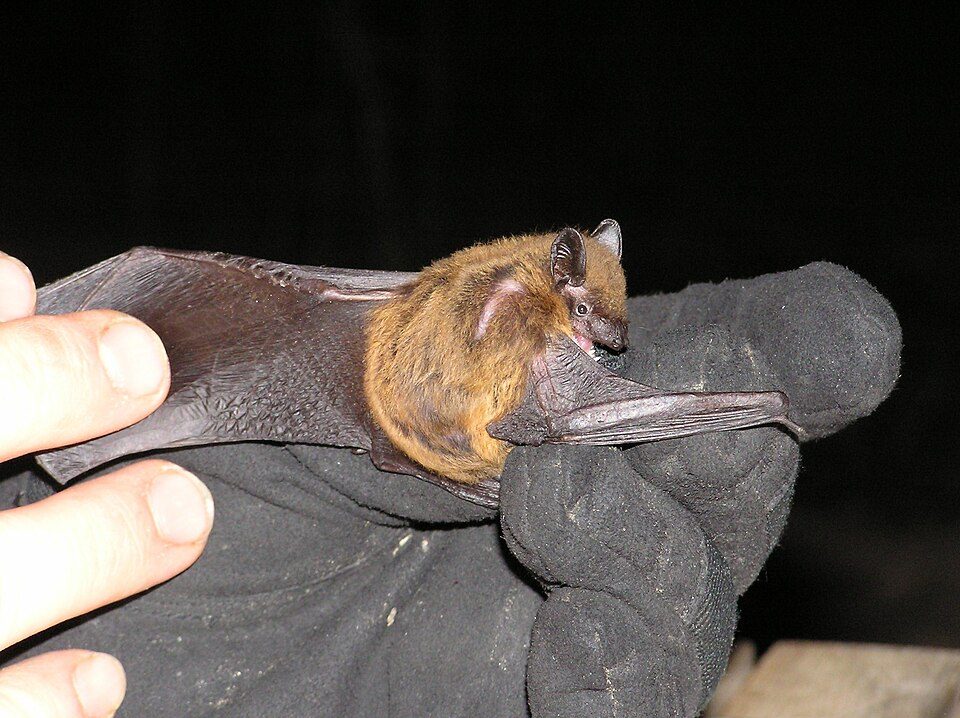
Nycticeius humeralis
A small to medium colonial bat that frequently roosts in buildings, hollow trees, and Spanish moss. One of the most common species found inside Florida homes alongside the Brazilian free-tailed.
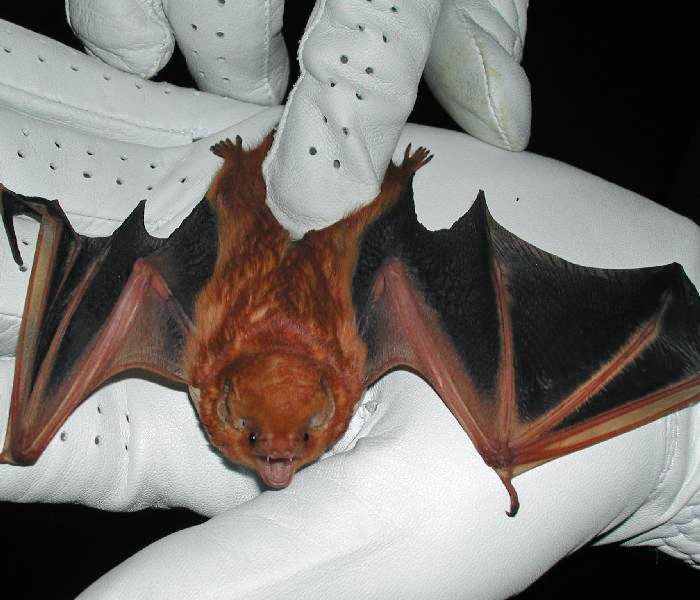
Lasiurus borealis
A solitary, brick-red, tree-roosting bat. Hangs by one foot from foliage where it looks like a dead leaf. Found statewide but rarely encountered in homes since it doesn't roost in buildings.
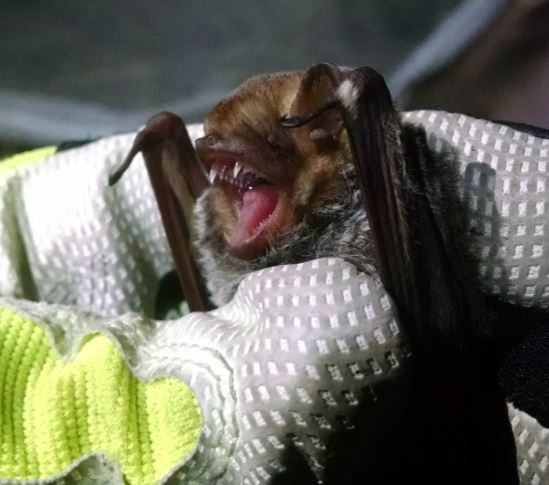
Lasiurus seminolus
Florida's mahogany-colored solitary tree-rooster. Famously roosts in Spanish moss draped from live oaks. Common across most of Florida.
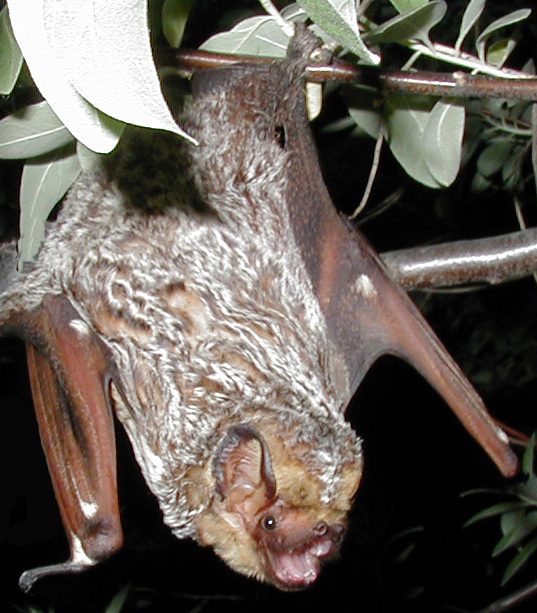
Lasiurus cinereus
Florida's largest tree-roosting bat. A migratory species seen mostly during fall and spring; rarely overwinters in northern Florida. Distinctive frosted, silvery-tipped brown fur.
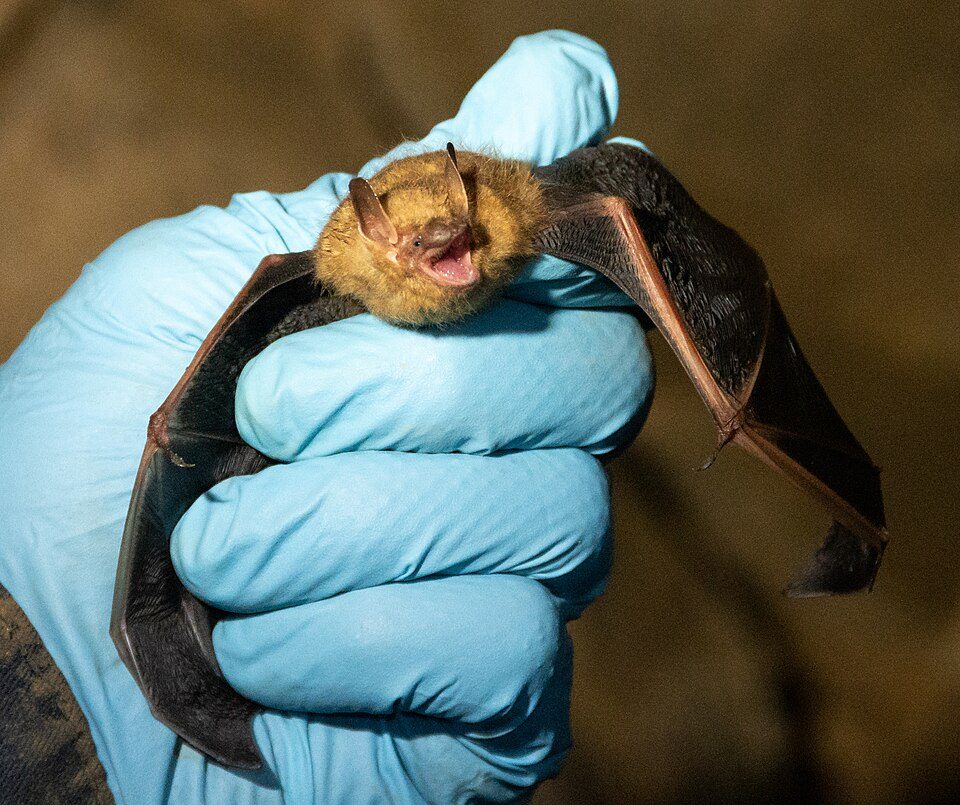
Perimyotis subflavus
A tiny, yellowish-tan bat (formerly the Eastern Pipistrelle). Roosts solitarily in Spanish moss, foliage, and occasionally caves and culverts. Proposed for federal Endangered listing due to white-nose syndrome impacts.
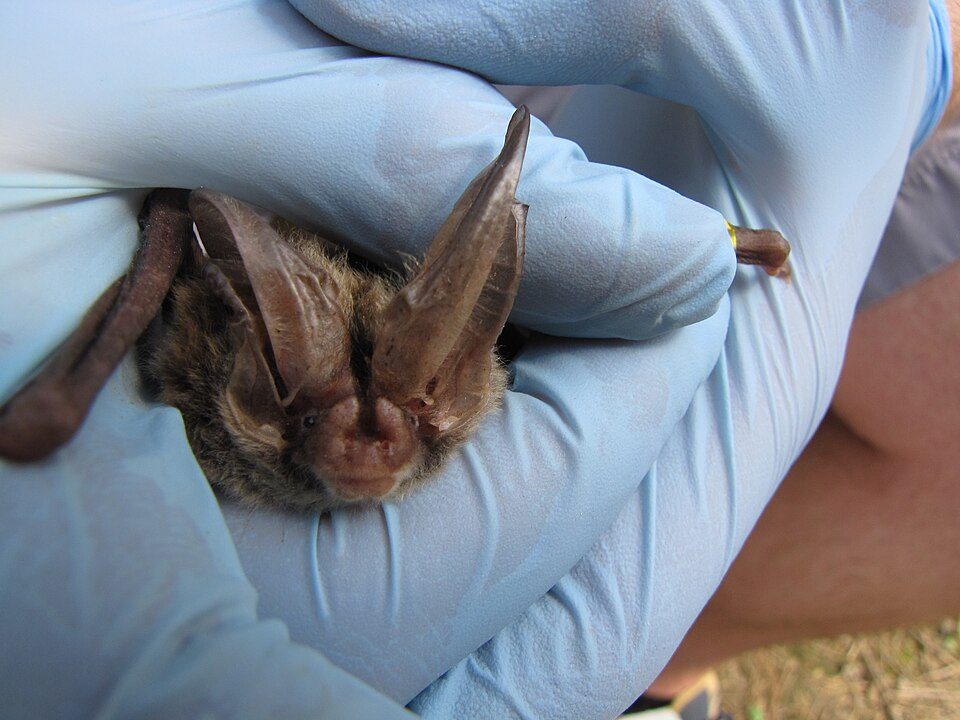
Corynorhinus rafinesquii
Unmistakable for its enormous, ridged ears that nearly equal its body length. Roosts in tree hollows and culverts in northern Florida swamps and forests.
Eumops floridanus
Florida's largest bat and one of the most critically endangered mammals in North America. Endemic to South and Central Florida. Federally Endangered. Sometimes roosts under barrel-tile roofs.
Molossus molossus
A Florida Keys-only species, first detected in the U.S. in the 1990s. Found exclusively in human structures (attics, eaves, crawl spaces). Colonies of 50 to 1,300+ in the Keys.
Lasiurus intermedius
A solitary, golden-yellow bat that roosts almost exclusively in dead palm fronds (especially sabal palms) and Spanish moss. Common in coastal and southern Florida.
Myotis austroriparius
A small cave-roosting bat. Most Florida populations are concentrated in the Panhandle and northern Florida, especially in limestone caves and abandoned mines.
Myotis grisescens
Federally Endangered cave bat. Extremely rare in Florida, recorded only in a few Panhandle caves. Should never be disturbed.
FWC-compliant exclusion. Free estimate. Written bat-free warranty.