How to Keep Bats Out of Your House in Florida
In Florida, bats can roost year-round and the law sets a hard calendar for getting them out. Here is how colonies establish, what the FWC maternity season requires, and what a proper exclusion looks like.
Florida Homes Have Bat Problems Twelve Months a Year
In most of the country, bats disappear in winter. In Florida, they do not. The warm climate means colonies stay active all year, and that changes the removal math significantly. There is no cold-weather grace period to seal things up before they return in spring. If bats are roosting in your attic or wall voids in Orlando, Tampa, or Cape Coral, they are there right now, they were there last month, and they will be there next month if nothing changes.
This post covers how Florida bat colonies get established, what the law requires before anyone can legally remove them, and what a proper exclusion looks like from start to finish. If you are already hearing sounds at dusk or smelling something you cannot explain from the attic, the section on signs of a colony is worth reading first.
The Florida Bat Species Most Likely to Roost in Your Home
Florida hosts 13 bat species, but two account for the vast majority of residential roost calls: the Brazilian free-tailed bat and the evening bat. Both form maternity colonies in structures, and both are fully protected under Florida law.
Brazilian free-tailed bats are common in Orlando, Tampa, and along the Gulf Coast, often in large colonies that can number in the hundreds inside a single attic. Evening bats tend toward smaller groups of 20 to 100 animals and favor the wall voids and tight spaces behind fascia boards common in older Florida construction. Neither species is aggressive. They are looking for a warm, sheltered space to raise their young, and they return to the same roost year after year. Waiting them out is not a strategy that works.
Why Florida's Maternity Season Law Matters More Than You Think
Florida is one of the states with the strictest timing restrictions on bat exclusion, and for good reason. According to the Florida Fish and Wildlife Conservation Commission (FWC), exclusion work is prohibited from April 16 through August 14 each year. This is the maternity season, when females give birth and nurse their pups. For roughly the first four to six weeks of life, pups cannot fly. If entry points are sealed during this window, the pups are trapped inside with no way out.
That outcome is worse than the original problem. Dozens of animals dying inside a wall or attic create an odor and a health situation that is far more expensive to address than a properly timed exclusion would have been. Decomposition, guano accumulation, and the secondary pests that follow are all part of the cost.
According to the FWC, all bat species in Florida are protected under state wildlife law. Killing, trapping, or otherwise harming bats outside of specific permitted conditions is illegal. This applies to homeowners and unlicensed contractors alike. The FWC can and does issue citations. The legal path is exclusion, performed outside the maternity window, by a trained wildlife professional.
The two legal windows for exclusion work in Florida are mid-August through mid-April. Late summer, from August 15 onward, is often the most practical window because the colony is still active and visible at dusk, which makes confirming that the exclusion worked straightforward. Early spring, from January through mid-April, works well too, before females return to establish the maternity colony for the year.
Bat Exclusion: The Only Legal Removal Method in Florida
Exclusion means sealing the entry points so bats cannot return after they fly out to forage at night. It does not mean trapping them, poisoning them, or waiting for them to leave on their own. Exclusion is the only legal removal method, and it is the only method that actually works long-term.
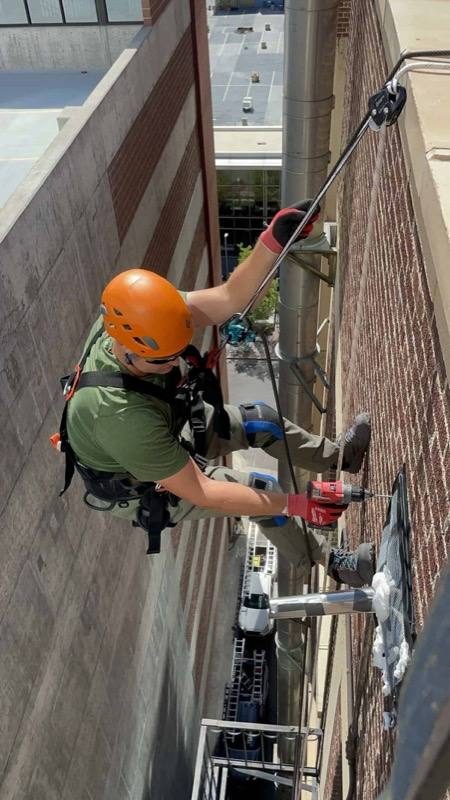
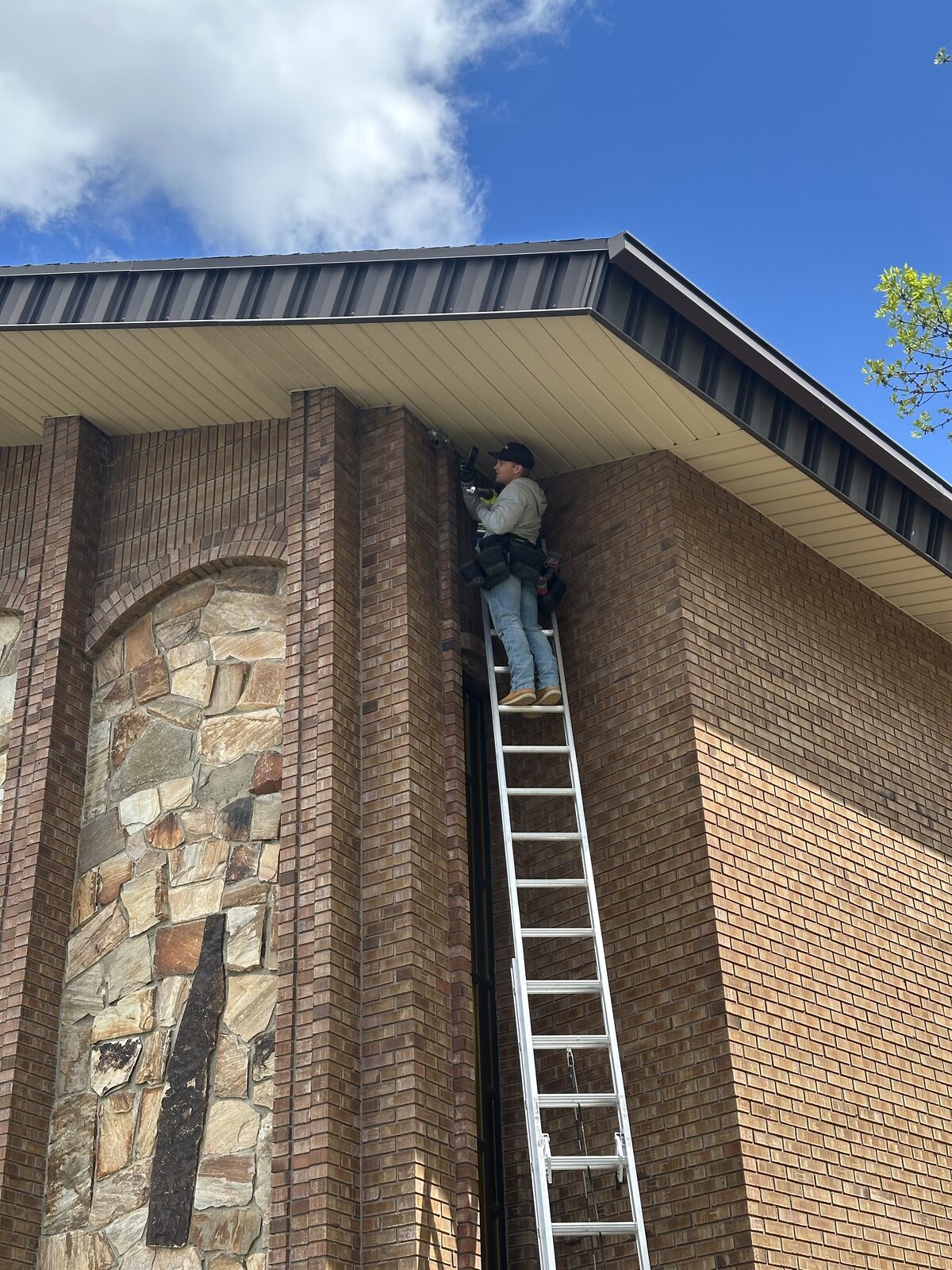
A proper exclusion has three stages. First, a trained technician inspects the full exterior, identifying every gap and vent that bats are using or could use. In Florida, that means close attention to where stucco meets wood framing, where tile roofs have open barrel ends, and where aging soffit panels have pulled away from the fascia. These problem areas show up repeatedly in homes across Fort Lauderdale, Sarasota, and Fort Myers.
Second, one-way exclusion devices, small tubes or net flaps that let bats exit but block re-entry, are installed at each active entry point while the rest of the structure is sealed. Third, after the colony vacates, typically within a few days to two weeks, the technician returns to remove the devices and permanently seal the entries with exterior-rated materials: metal flashing, hardware cloth at no more than one-quarter inch mesh, or flexible exterior caulk suited for Florida's temperature swings.
Done correctly, exclusion is permanent. Done during the maternity window, it creates the trapped-pup problem described above.
How Do You Know Bats Are in Your House?
Most homeowners in Jacksonville, Naples, and St. Petersburg find out one of four ways: they watch bats streaming out of the same soffit gap every evening at dusk, they find guano on the attic floor or on the ground below an exterior crack, they notice a sharp ammonia smell that worsens as temperatures rise, or they find a single bat inside the living space that slipped through a loose return-air vent or a gap around a ceiling fixture.
Bat guano looks similar to mouse droppings but crumbles to a fine powder when dry and often contains visible insect parts. It accumulates directly below the roost. In homes where bats have been present for a season or more, guano can build several inches deep and may require professional remediation due to the risk of histoplasmosis, a respiratory illness caused by a fungus that can grow in accumulated bat droppings.
If a bat is found inside the living space and there is any possibility it came into contact with a sleeping person or a child, do not release it outdoors immediately. According to the U.S. Fish and Wildlife Service, bat bites can be very small and go unnoticed. Contain the bat carefully without direct hand contact and contact your county health department for guidance on rabies testing.
Prevention: Sealing Your Home Before a Colony Establishes
The most cost-effective bat work happens before a colony establishes. A home that has never had bats can be proofed against them with a focused inspection and targeted sealing of the most common entry points. For Florida homes specifically, the inspection should cover these locations.
- Open barrel tile ends. Many Florida homes have clay or concrete barrel tile roofs. The open ends at the eave line are a direct entry point if they are not filled with bird blocks or mortar. This is one of the most common bat entries on Gulf Coast homes.
- Soffit and fascia gaps. Vinyl soffit panels can warp, separate, or pull away from the fascia in Florida's heat. Even a quarter-inch gap is enough for most bat species. Any separation along the soffit-fascia junction should be sealed with an exterior-grade product.
- Gable and ridge vents. Attic vents are necessary but must be covered with hardware cloth at no more than one-quarter inch mesh. Standard window screen material is not sufficient and deteriorates quickly in direct Florida sun.
- Stucco gaps at wall penetrations. Anywhere a pipe, conduit, or cable enters through an exterior stucco wall is a potential entry point. Stucco can crack around these penetrations over time, and bats find gaps that are not obvious to the eye.
- Chimney and chase transitions. Even in Florida, homes with gas fireplaces or decorative chimneys often have gaps where the chase meets the roofline or where flashing has lifted. These gaps can be significant.
Proofing a home before bats arrive is far less expensive than exclusion and cleanup after a colony has settled in. A wildlife technician can assess all of these areas in a single inspection visit.
What Should a Legitimate Company Tell You on the First Call?
A reputable wildlife company will mention the FWC maternity season restriction before you book anything. If you call during the April 16 through August 14 window, they should say clearly that exclusion cannot legally begin until August 15 and explain why. Any company that promises immediate bat removal without discussing the seasonal restriction is either uninformed or willing to work outside the law.
The first step should be a free on-site inspection. The technician identifies active entry points, estimates colony size from guano accumulation and exit behavior, and outlines the timeline based on current FWC restrictions. Ask specifically whether the quote covers both the exclusion device phase and the final sealing visit, and whether guano cleanup is included or quoted separately. Costs range from a few hundred dollars for a small single-entry job to several thousand when multiple entry points, heavy guano accumulation, and insulation replacement are all involved. No one can give you an honest number without seeing the structure first.
Frequently asked questions
Can I seal up bat entry points myself right now?
It depends on the time of year. According to the Florida Fish and Wildlife Conservation Commission (FWC), exclusion work is illegal during the maternity season, which in Florida runs from April 16 through August 14. During this period, pups are too young to fly. Sealing entries traps them inside, where they die and create a serious secondary problem. Outside that window, a trained technician can install one-way exclusion devices and seal the openings permanently after the colony has left.
How do I know if I have a bat colony versus one or two bats?
A single bat that came in through an open door is very different from a maternity colony roosting in your attic. Signs of a colony include dark staining around fascia gaps or vents, a strong ammonia smell from accumulated guano, and soft scratching or chittering sounds at dusk and dawn. Watching bats exit the same spot every evening is the clearest indicator. A professional inspection is the only reliable way to confirm colony size and pinpoint every entry point.
Are bats in Florida protected by law?
Yes. All bat species in Florida are protected under state wildlife law. According to the Florida Fish and Wildlife Conservation Commission (FWC), it is illegal to kill, trap, or harm bats except under specific permitted conditions. Legal removal means exclusion only, not extermination, and only outside the April 16 through August 14 maternity window. At least one Florida species, the Florida bonneted bat, is also federally endangered under the U.S. Endangered Species Act.
What does bat exclusion typically cost in Florida?
Pricing varies by colony size, number of entry points, and whether guano cleanup or attic restoration is needed. Most residential bat exclusion projects in Florida fall somewhere between a few hundred and several thousand dollars. The only way to get an accurate number is a free on-site inspection, where a technician can assess the full scope and give you a written estimate. Anyone who quotes a firm price over the phone without seeing the structure is guessing.
Related reading
Wildlife in your home? Contact us today.
Call to schedule an inspection.